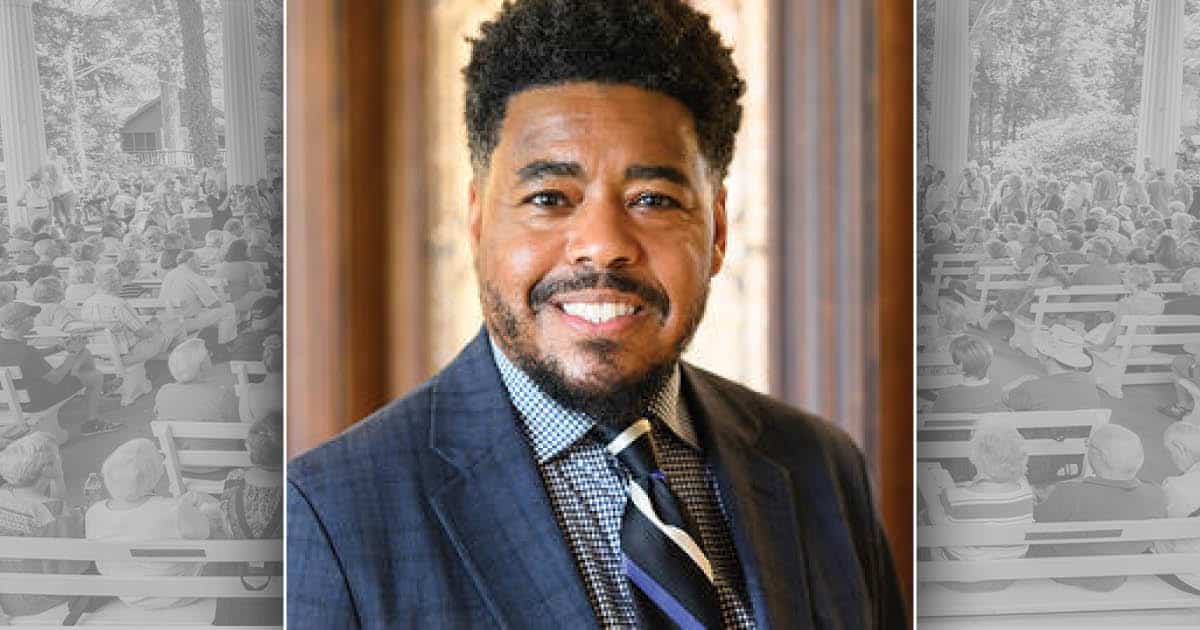
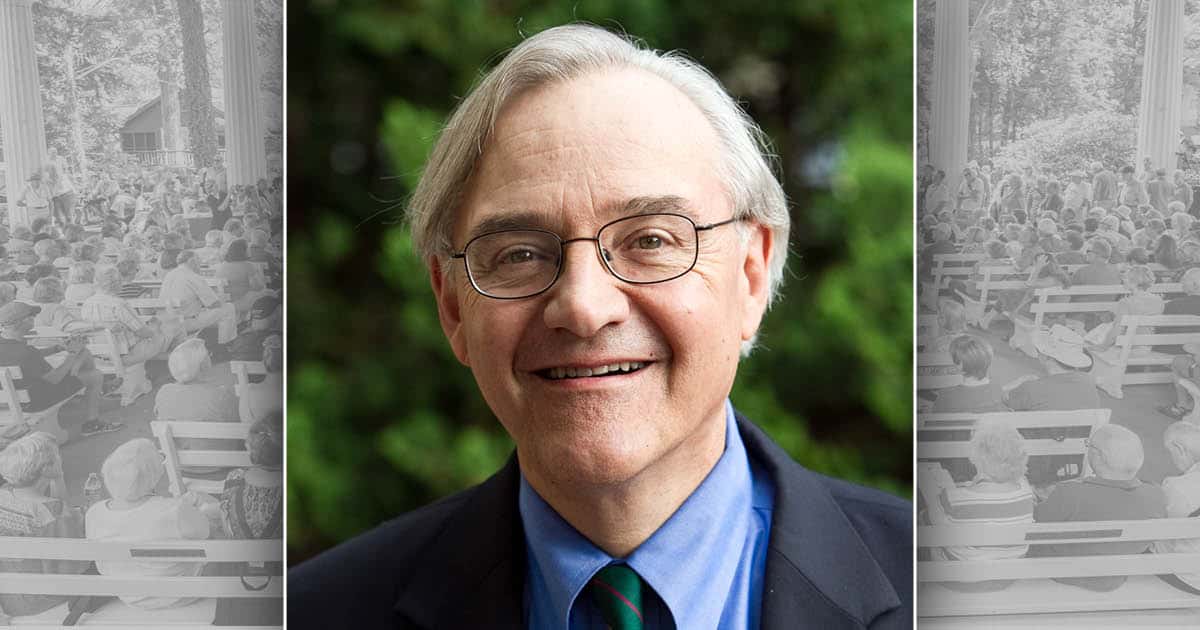
Week Three: July 11–18, 2026
Every summer Chautauqua Institution welcomes over 100,000 visitors, to celebrate community and prioritize personal growth. Many travel here to relax, renew and recharge on the shores of Chautauqua Lake. Join us and see for yourself why Chautauqua was, and continues to be, a cherished destination. Keep scrolling to explore Week Three’s Theme: The 2026 Election: What’s at Stake?
Featured Entertainment and Events
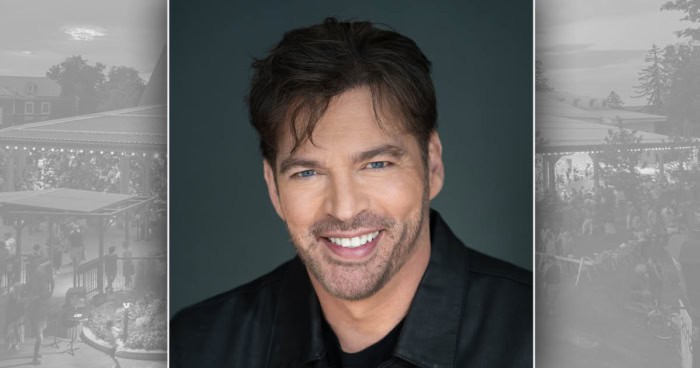
Chautauqua Lecture Series
The 2026 Election: What’s at Stake?
A Week in Partnership with American Enterprise Institute and Brookings Institution
As voters prepare for an election year, the American political landscape is shifting beneath our feet. With all 435 seats in the House of Representatives and a third of the Senate on the ballot — and early signals emerging about the 2028 presidential race — this week explores the issues galvanizing voters across the ideological spectrum. AEI and Brookings experts show the way, in the Chautauqua tradition of sharing diverse and divergent perspectives in good-faith, good-humored conversation.
Confirmed Lectures
July 13 @ 10:45 am Week Three (July 11–18)
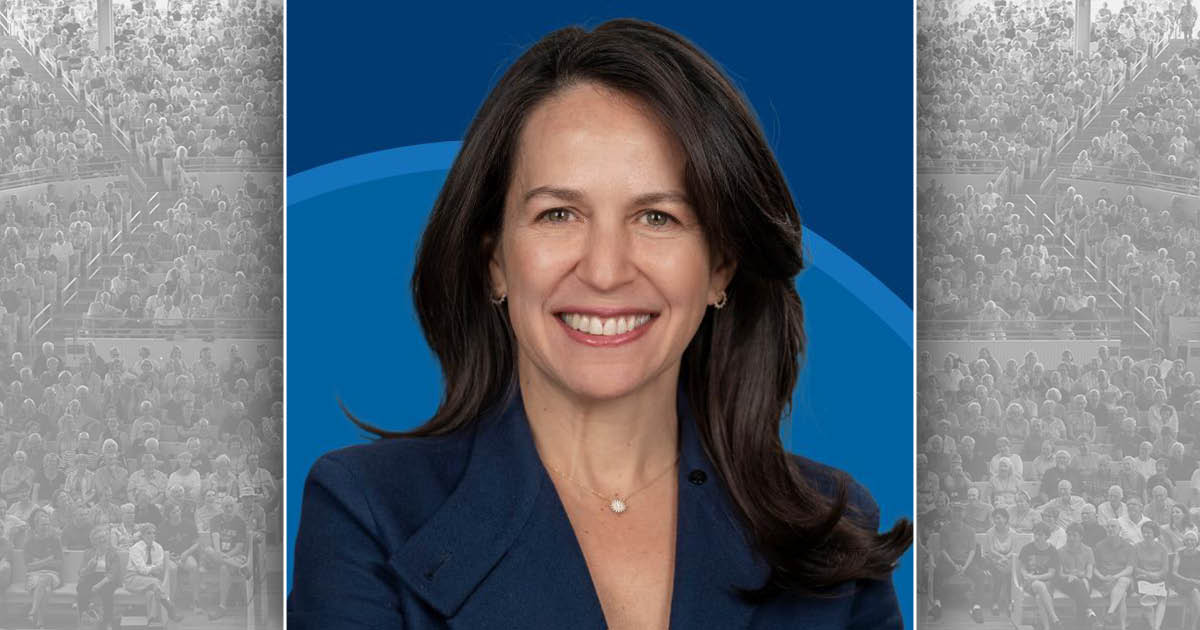
Marcela Escobari and Charles Lane
Amphitheater | CHQ Assembly
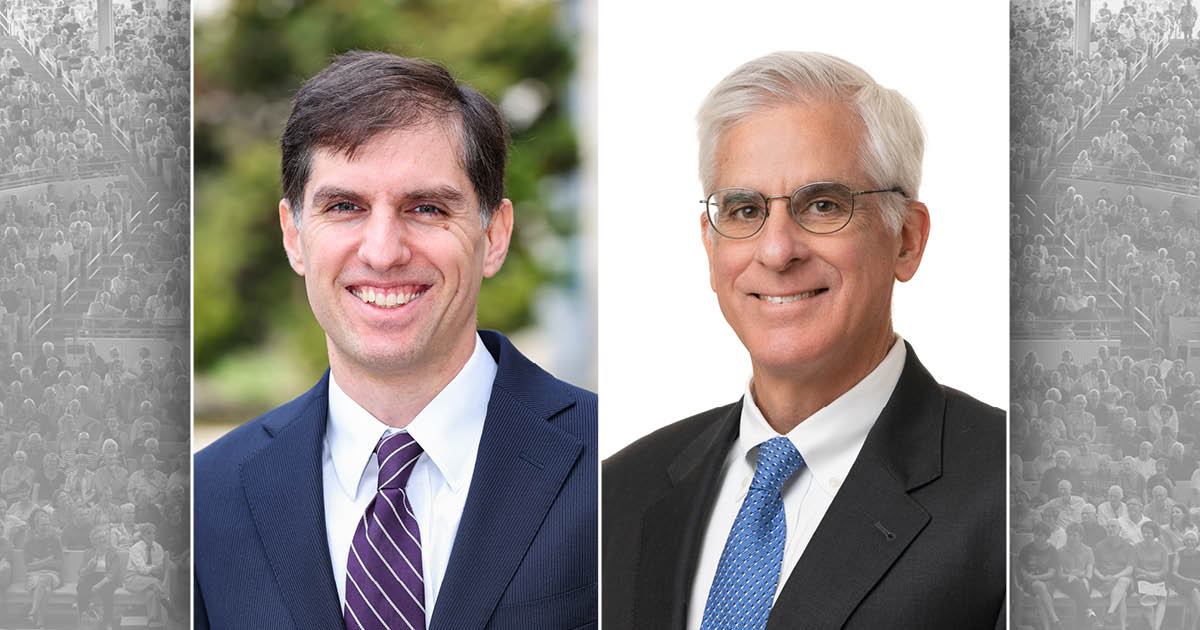
Marcela Escobari and Charles Lane
Marcela Escobari and Charles Lane are two of the nation’s leading experts in immigration, migration and asylum policy. The pair will present in tandem, building on the Chautauqua Lecture Series theme of “The 2026 Election: What’s at Stake?,” with an examination of our national dialogue on immigration as the election approaches — and, ultimately, the impact of immigration politics and policies on real people. The program opens a five-part weeklong series presented at Chautauqua in partnership with the American Enterprise Institute and Brookings Institution, each program featuring experts from both organizations.
Marcela Escobari is a senior fellow in the Global Economy and Development program at Brookings. She has been twice confirmed by the U.S. Senate under Presidents Barack Obama and Joe Biden, and most recently served in the White House National Security Council as special assistant to the president and coordinator for the Los Angeles Declaration on Migration and Protection. In this role, Escobari led efforts to promote safe, orderly and humane migration and advance a collaborative, regional response to the displacement of more than 8 million people across Latin America and the Caribbean. This regional response contributed to a more-than-70% decrease in irregular migration at the U.S. border in 2024, helping stabilize and integrate over 4.5 million migrants and refugees within Latin America.
From 2021 to 2024, Escobari was assistant administrator for the U.S. Agency for International Development’s Bureau for Latin America and the Caribbean, a position she also held from 2016 to 2017 as the first woman to serve in this role. Previously, as a senior fellow at the Brookings Institution, she launched the Workforce of the Future initiative focused on identifying policies to restore opportunity and enable inclusive growth in U.S. cities and states in the wake of globalization and COVID-19.
Before joining government, Escobari was the executive director of Harvard’s Center for International Development. Her honors include Freedom House’s 2024 Mark Palmer Prize for diplomats and civil servants whose work has advanced democracy and human rights.
Charles Lane is a nonresident senior fellow at the American Enterprise Institute, where he focuses on American politics, American culture, and asylum policy. He also serves as a columnist for The Free Press. Before joining AEI, Lane held several positions at The Washington Post, where he was a staff writer covering the United States Supreme Court, an editorial board member and columnist, and the deputy opinion editor. He was previously the editor of The New Republic and the Berlin bureau chief, the general editor, and a San Salvador-based correspondent for Newsweek.
Lane’s writing has appeared extensively in the popular press, including in Foreign Affairs, Foreign Policy, City Journal, National Affairs, The Atlantic, Los Angeles Times and The Wall Street Journal. He is also the author of Freedom’s Detective: The Secret Service, the Ku Klux Klan and the Man Who Masterminded America’s First War on Terror; Stay of Execution: Saving the Death Penalty from Itself; and The Day Freedom Died: The Colfax Massacre, the Supreme Court, and the Betrayal of Reconstruction.
Lane has a master’s degree in law from Yale University and a bachelor’s degree in social studies from Harvard University.
July 14 @ 10:45 am Week Three (July 11–18)
James C. Capretta and Matthew Fiedler
Amphitheater | CHQ Assembly
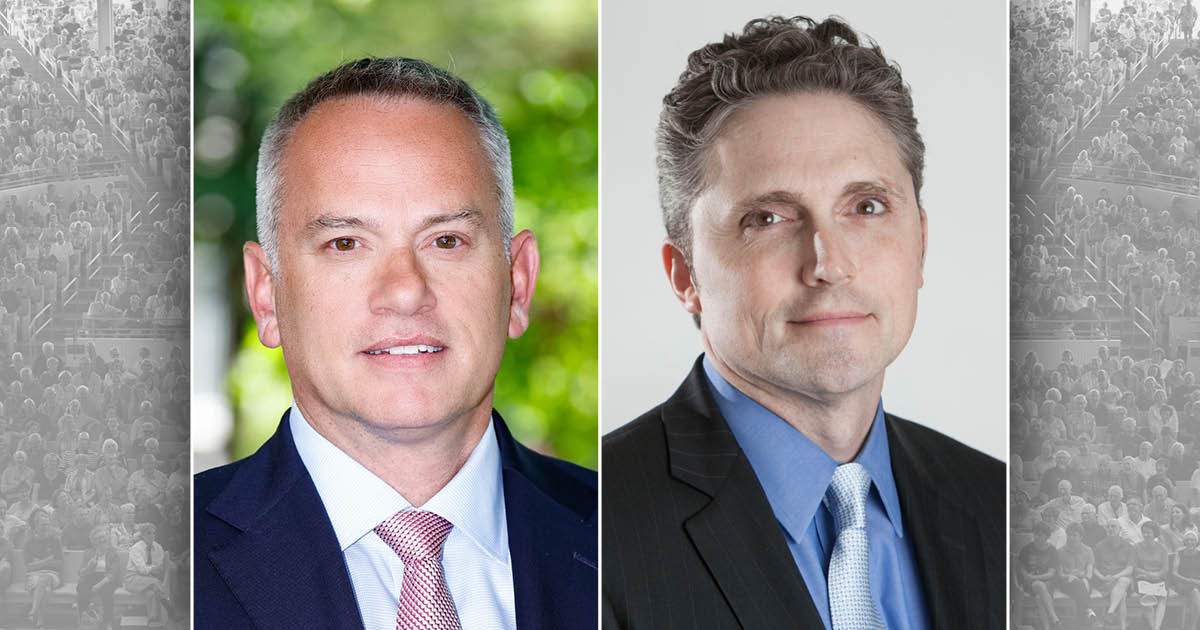
James C. Capretta and Matthew Fiedler
The Chautauqua Lecture Series continues its theme dedicated to “The 2026 Election: What’s at Stake?” with scholars James Capretta and Matthew Fiedler in conversation, sharing their expertise on the state of health care and health policy in the United States. The program is the second in a five-part weeklong series presented at Chautauqua in partnership with the American Enterprise Institute and Brookings Institution, each featuring experts from both organizations.
James C. Capretta is a senior fellow at the American Enterprise Institute where he studies and comments on U.S. health care, entitlement, and fiscal policy. He also serves as a senior adviser to the Bipartisan Policy Center. He previously held senior staff positions at the Office of Management and Budget and in Congress, primarily at the Senate Budget Committee. He is the author of US Health Policy and Market Reforms: An Introduction, published by AEI Press in 2022, along with numerous other book chapters, papers, and articles.
Matthew Fiedler is the Joseph A. Pechman Senior Fellow in Economic Studies and a senior fellow with the Center on Health Policy at Brookings. His research examines a range of topics in health care economics and health care policy. Prior to joining the Brookings Institution in January 2017, Fiedler served as Chief Economist for the Council of Economic Advisers, where he oversaw the Council’s work on health care policy, including implementation of the Affordable Care Act’s health insurance and health care payment reforms. Fiedler holds a Ph.D. in economics from Harvard University and a B.A. in mathematics and economics from Swarthmore College.
July 15 @ 10:45 am Week Three (July 11–18)
Ben Harris and James Pethokoukis
Amphitheater | CHQ Assembly
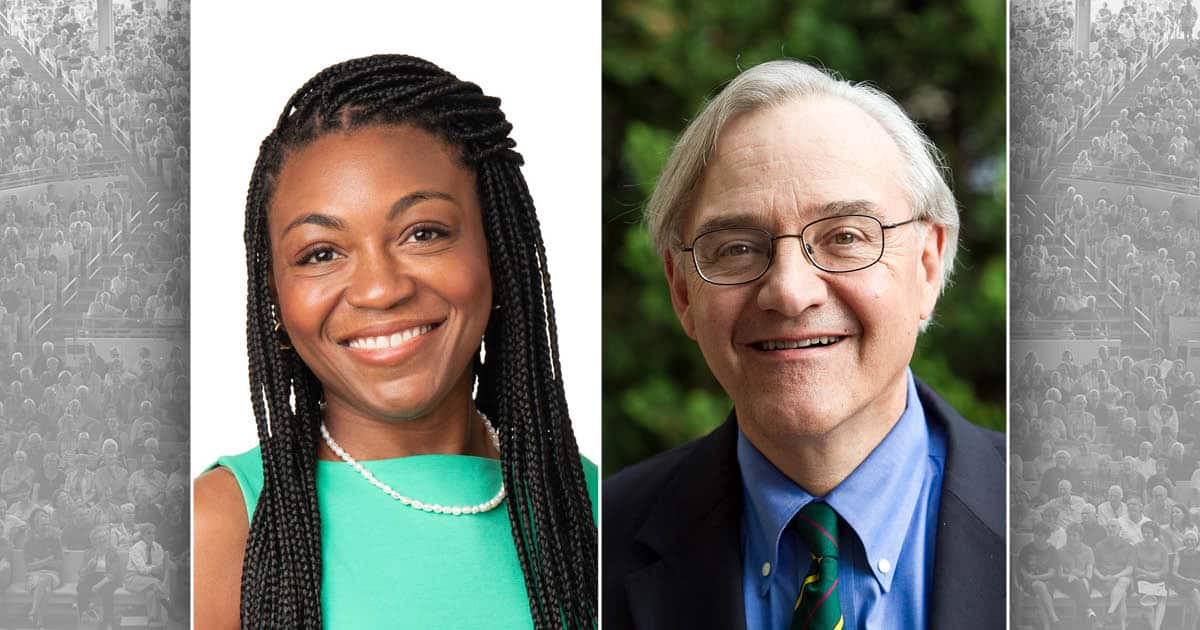
Ben Harris and James Pethokoukis
The Chautauqua Lecture Series continues a weeklong exploration of “The 2026 Election: What’s at Stake?” with scholars Ben Harris and James Pethokoukis, sharing their expertise on the state of the economy and economic policy in the United States. The program is the third in a five-part weeklong series presented at Chautauqua in partnership with the American Enterprise Institute and Brookings Institution, each featuring experts from both organizations.
Ben Harris is the vice president and director of Economic Studies at the Brookings Institution, where he also holds the Bruce and Virginia MacLaury Chair. As a scholar, Harris focuses on public finance and macroeconomics, and is widely published in academic journals, policy outlets and the popular press — including the New York Times, Wall Street Journal and Washington Post — and is a regular guest on cable television. With Martin Baily, he is the author of the book The Retirement Challenge: What’s Wrong with America’s System and a Sensible Way to Fix It.
Harris has extensive experience in senior public sector roles. Most recently, he was assistant secretary for economic policy and chief economist at the Treasury Department, chief economist and economic adviser to the Vice President of the United States, and a senior economist with the Council of Economic Advisers during the Obama administration. Harris was also the senior economist with the U.S. House of Representatives Budget Committee.
In addition to his public service, Harris has worked extensively in think tanks, academia and the private sector. He holds a Ph.D. in economics from George Washington University, a Master’s degree in economics from Cornell University, a master’s degree in quantitative methods from Columbia University, and a bachelor’s degree from Tufts University. He was also a Fulbright Scholar to Namibia in 2000. For his Treasury Department service, Harris was awarded the prestigious Alexander Hamilton Award by Secretary Janet Yellen.
James Pethokoukis is a senior fellow and the DeWitt Wallace Chair at the American Enterprise Institute, where he analyzes U.S. economic policy, writes and edits the “AEIdeas” blog, and hosts AEI’s “Political Economy” podcast. He is also a contributor to CNBC and writes the “Faster, Please!” newsletter on Substack. Before joining AEI, Pethokoukis was the Washington columnist for “Breakingviews,” the opinion and commentary wing of Thomson Reuters. Earlier, he was the business editor and economics columnist for U.S. News & World Report.
Pethokoukis is the author of The Conservative Futurist: How to Create the Sci-Fi World We Were Promised. He has also written for many publications, including The Atlantic, Commentary, Financial Times, Investor’s Business Daily, National Review, the New York Post, The New York Times, USA Today and The Week. His numerous broadcast appearances include CNBC, CNN, Fox Business, Fox News, MSNBC, and PBS.
A graduate of Northwestern University and the Medill School of Journalism, Pethokoukis is a 2002 Jeopardy! champion.
July 16 @ 10:45 am Week Three (July 11–18)
E.J. Dionne, Jr. and Christine Emba
Amphitheater | CHQ Assembly

E.J. Dionne, Jr. and Christine Emba
Leading the fourth installment of a five-part weeklong deep dive into “The 2026 Election: What’s at Stake?,” renowned scholars E.J. Dionne, Jr. and Christine Emba join in conversation for a deeper look into the role of culture in American public and political life, particularly addressing the generational differences and divides that show up in these deeply intertwined components of our national dialogue. The program is presented at Chautauqua in partnership with the American Enterprise Institute and Brookings Institution, each featuring experts from both organizations.
Later in the day at 2:00 p.m., Dionne will be speaking at the Hall of Philosophy for the Interfaith Lecture Series.
E.J. Dionne, Jr. is a senior fellow and the W. Averell Harriman Chair in American Governance in the Governance Studies program at Brookings. He is also a Distinguished University Professor in the Foundations of Democracy and Culture at Georgetown University, affiliated with the McCourt School of Public Policy, and a contributing columnist to The New York Times.
Dionne began his career with The New York Times, reporting on state and local government, national politics, and from around the world, including stints in Paris, Rome, and Beirut. In 1990, Dionne joined The Washington Post as a reporter covering national politics, and was a columnist for The Post from 1993 to 2025, when he became a Times contributor. He was an NPR commentator for two decades.
His 1991 best-selling book, Why Americans Hate Politics, won The Los Angeles Times book prize, and was a National Book Award nominee. He is the author and co-author of eight other books, editor and co-editor of six volumes published by the Brookings Institution Press and co-editor of a collection of the speeches made by Barack Obama.
Dionne has received numerous awards, including the American Political Science Association’s Carey McWilliams Award, Volunteers of America Empathy Award, the National Human Services Assembly’s Award for Excellence by a Member of the Media and the Sidney Hillman Foundation’s Hillman Award for Career Achievement. He has been named among the 25 most influential Washington journalists by the National Journal and among the capital city’s top 50 journalists by the Washingtonian magazine. He was elected as a member of the American Academy of Arts and Sciences.
Dionne grew up in Fall River, Mass. He graduated summa cum laude with a B.A. from Harvard University and received his doctorate from Oxford University, where he was a Rhodes Scholar.
Christine Emba is a senior fellow at the American Enterprise Institute, where her work focuses on gender and sexuality, feminism, masculinity, youth culture and social norms. She is concurrently a contributing writer at The New York Times and a senior fellow at the Georgetown University Initiative on Catholic Social Thought and Public Life.
Emba is a contributing editor at Comment Magazine, a board member at the American Institute for Boys and Men and an editor-at-large at Wisdom of Crowds. She is the author of Rethinking Sex: A Provocation.
Before joining AEI, Emba was a staff writer at The Atlantic, a columnist and editor at The Washington Post, a Hilton Kramer Fellow in Criticism at The New Criterion and a deputy editor at The Economist Intelligence Unit.
Emba has a bachelor’s degree from Princeton University. She was named one of the world’s top-50 thinkers by Prospect Magazine in 2022 and received the National Press Club’s Nell Minow Award for Cultural Criticism in 2024.
July 17 @ 10:45 am Week Three (July 11–18)
Kevin R. Kosar and Kathryn Dunn Tenpas
Amphitheater | CHQ Assembly
Kevin R. Kosar and Kathryn Dunn Tenpas
Kevin R. Kosar and Kathryn Dunn Tenpas, two of the nation’s leading experts in the workings of the U.S. federal government, governance, and interbranch relations, will present in tandem on the state of the federal government, federalism and U.S. elections. The program concludes the Chautauqua Lecture Series weeklong exploration of “The 2026 Election: What’s at Stake?,” a five-part series at Chautauqua in partnership with the American Enterprise Institute and Brookings Institution, with each program featuring experts from both organizations.
Kathryn Dunn Tenpas is a visiting fellow in Governance Studies and director of the Initiative on Improving Interbranch Relations and Government. She also serves as a practitioner senior fellow at the University of Virginia’s Miller Center and on the Advisory Board of the White House Transition Project. Tenpas’ research addresses the intersection between the presidency and politics, focusing on presidential personnel, Senate-confirmed appointments, transitions, re-election campaigns and trends in presidential travel and polling. Her studies of White House staffing include an original database that tracks turnover rates among senior staffers. In addition, she has written or coauthored pieces on key units within the White House (Office of Political Affairs, Staff Secretary, Counsel’s Office, Faith-based and Community Initiatives and the Office of the First Lady).
Tenpas is author of Presidents as Candidates: Inside the White House for the Presidential Campaign, and has published articles, book chapters, blog posts, op-eds and papers on a variety of presidency-related topics. Her insights on the presidency have been quoted in major newspapers, and she has appeared on numerous television and radio outlets in the United States and abroad.
Tenpas’ academic positions have included the directorship of the University of Pennsylvania’s Washington Semester Program, senior fellow at the Weidenbaum Center at Washington University in St. Louis, and an associate professorship in the Department of Government and International Affairs at the University of South Florida. While there, she won an undergraduate teaching award, directed the Political Science Honors Program and the Washington, D.C. internship program. Tenpas earned her bachelor’s degree from Georgetown University in 1985, and her master’s and doctoral degrees from the University of Virginia.
Kevin R. Kosar is a senior fellow at the American Enterprise Institute, where he studies the U.S. Congress, the administrative state, American politics, election reform, and the U.S. Postal Service. He edits UnderstandingCongress.org and hosts the “Understanding Congress” podcast. Before joining AEI, Kosar was at the R Street Institute, where he served as vice president of policy, vice president of research partnerships, and senior fellow and director of the Governance Project. He also cofounded the Legislative Branch Capacity Working Group, a transpartisan project to strengthen the legislative branch.
Earlier, Kosar spent more than a decade working for the Congressional Research Service, where he focused on a wide range of public administration issues. He has also taught public policy at New York University and lectured on public administration at Metropolitan College of New York. His books include Congress Overwhelmed: The Decline in Congressional Capacity and Prospects for Reform; Unleashing Opportunity: Policy Reforms for an Accountable Administrative State; Moonshine: A Global History; Ronald Reagan and Education Policy; Whiskey: A Global History; Failing Grades: The Federal Politics of Education Standards; and Bridging the Gap: Higher Education and Career-Centered Welfare Reform. He also wrote the prefaces to the recently republished The Unheavenly City Revisited and Government Project by Edward C. Banfield.
Kosar has testified before Congress and has been widely published in scholarly journals; his articles and opinion pieces have appeared in a number of popular press outlets and he has made a number of broadcast appearances. He earned a doctorate and a master’s in politics from New York University and a bachelor’s degree in political science from Ohio State University.
Interfaith Lecture Series
Faith in the Public Square
As the nation approaches another pivotal election, this week invites an interfaith exploration of how religious and ethical traditions shape civic life. What does it mean to vote, advocate and disagree with integrity? How do communities sustain courage and compassion amid polarization? Drawing on diverse traditions, we consider how practices such as lament, hope, justice-seeking and peacemaking can guide us through political uncertainty and toward more meaningful civic dialogue.
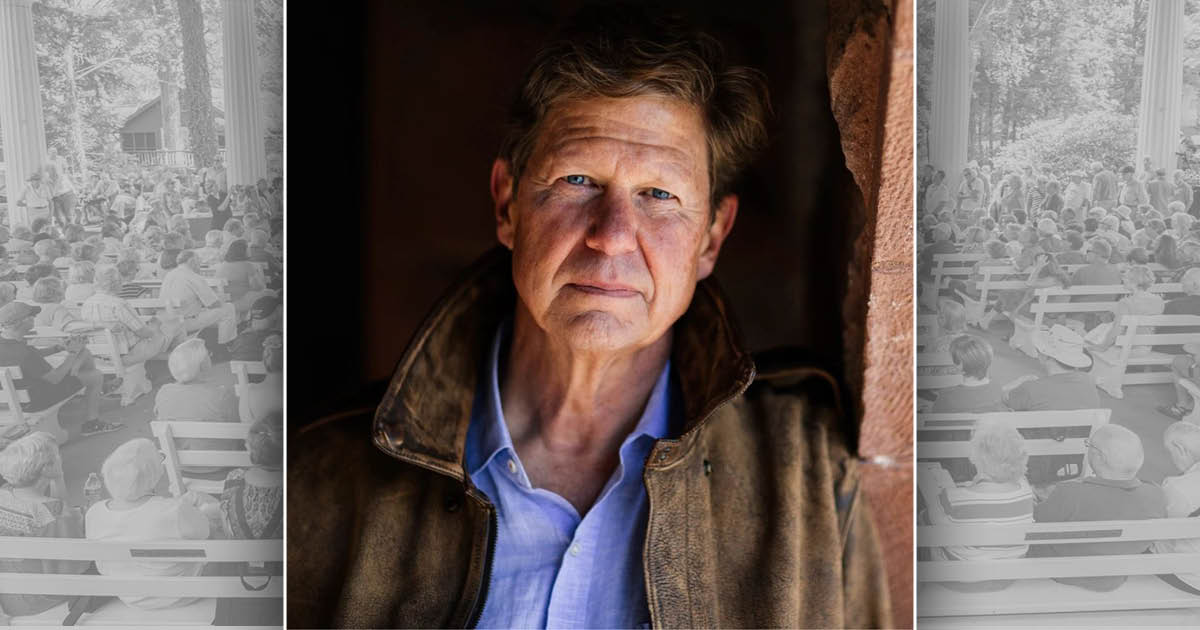
Randall Balmer
Randall Balmer, an Episcopal priest, is the John Phillips Professor in Religion at Dartmouth College. A prize-winning historian and Emmy Award nominee, he has published eighteen books, including Bad Faith: Race and the Rise of the Religious Right, Redeemer: The Life of Jimmy Carter and The New York Times bestseller, America’s Best Idea: The Separation of Church and State.
His second book, Mine Eyes Have Seen the Glory: A Journey into the Evangelical Subculture in America, now in its fifth edition, was made into a three-part documentary for PBS. His commentaries on religion in America appear in newspapers across the country, including The Los Angeles Times, The Santa Fe New Mexican, The Concord Monitor, and The Des Moines Register.
Terrence Johnson
Terrence L. Johnson is Charles G. Adams Professor of African American Religious Studies, professor of African and African American studies, and director of religion and public life at Harvard Divinity School. He is also a faculty associate of the Edmond & Lily Safra Center for Ethics at Harvard and a member of the Corporation at Haverford College. His research interests include African American political thought, ethics, American religions and the role of religion in public life. Johnson’s interdisciplinary research agenda is historical, critical and constructive. He weaves together African American religions, political theory and American history to paint broad conceptual schemes for imagining religion, democracy, ethics, liberalism, justice and freedom.
In 2024-25, he was an inaugural Steven M. Polan Fellow in constitutional law and history at the Brennan Center for Justice, a nonpartisan law and policy institute. The Polan Fellows program provides a platform for debates on the meaning and promise of the U.S. constitution.
He is the co-author of Blacks and Jews in America: An Invitation to Dialogue, winner of the 2023 Outstanding Book award by the Association for Ethnic Studies; We Testify with Our Lives: How Religion Transformed Radical Thought from Black Power to Black Lives Matter; and Tragic Soul-Life: W.E.B. Du Bois and the Moral Crisis Facing American Democracy. He also serves as co-editor of the Duke University Press Series “Religious Cultures of African and African Diaspora People.” He is currently completing a manuscript entitled Torn Asunder: Race and Religion in the Shadow of Law and Justice, which is under contract with Columbia University Press. He is also co-writing a book on ethics and law with M. Cathleen Kaveny tentatively entitled Christian Ethics and the Trump Court.
A graduate of Morehouse College, Johnson received his M.Div. from Harvard Divinity School and Ph.D. in Religious Studies from Brown University.
E.J. Dionne, Jr.
Dionne is a senior fellow and the W. Averell Harriman Chair in American Governance in the Governance Studies program at Brookings. He is also a Distinguished University Professor in the Foundations of Democracy and Culture at Georgetown University, affiliated with the McCourt School of Public Policy, and a contributing columnist to The New York Times.
Dionne began his career with The New York Times, reporting on state and local government, national politics, and from around the world, including stints in Paris, Rome, and Beirut. In 1990, Dionne joined The Washington Post as a reporter covering national politics, and was a columnist for The Post from 1993 to 2025, when he became a Times contributor. He was an NPR commentator for two decades.
His 1991 best-selling book, Why Americans Hate Politics, won The Los Angeles Times book prize, and was a National Book Award nominee. He is the author and co-author of eight other books, editor and co-editor of six volumes published by the Brookings Institution Press and co-editor of a collection of the speeches made by Barack Obama.
Dionne has received numerous awards, including the American Political Science Association’s Carey McWilliams Award, Volunteers of America Empathy Award, the National Human Services Assembly’s Award for Excellence by a Member of the Media and the Sidney Hillman Foundation’s Hillman Award for Career Achievement. He has been named among the 25 most influential Washington journalists by the National Journal and among the capital city’s top 50 journalists by the Washingtonian magazine. He was elected as a member of the American Academy of Arts and Sciences.
Dionne grew up in Fall River, Mass. He graduated summa cum laude with a B.A. from Harvard University and received his doctorate from Oxford University, where he was a Rhodes Scholar.
He will also be speaking at the 10:45 a.m. Chautauqua Lecture Series platform earlier the same day.
Weekly Chaplain

Michael Chan
Michael Chan is currently the Vice President for Mission and Inclusion at Concordia College in St. Paul, Minnesota. Through the role, he provides leadership and support for the Campus Ministry team; the Dovre Center for Faith and Learning; and the Lorentzsen Center for Faith and Work.

Explore Performing and Visual Arts
The arts can sometimes bridge differences and illuminate perspectives as no other method can. Artistic expressions at Chautauqua — including professional and pre-professional offerings in classical and contemporary music, theater, opera, dance, visual arts and literary arts — aim to inspire, educate, entertain and engage a diverse and growing audience.

Places to Stay
If you love the events you see in Week Three, ensure you have accommodations. Space on the ground is limited, and accommodations go fast find reservations at the Hotel or Private Accommodations.

Dining & Shopping
Make your Chautauqua experience memorable! Share a delicious meal at one of our many restaurants. Or take piece of Chautauqua home with you from our unique shops.